An Excerpt from A Drummer's Testament
by John Chernoff, Alhaji Ibrahim Abdulai, et al (Chapter 2-21: The Pilgrimage to Mecca)
There is a story in the Dagbamba drum history about an 18th century chief who was disfigured by yaws in his youth. His real name was Jinli, but he is known by his chieftaincy name, Naa Bimbiɛɣu: “Chief Ugly Thing.” The bizarre circumstances of how he obtained the highest chieftaincy in Dagbon is a popular story in the drum history. But when he was a prince, if he traveled to any town, the people there would not receive him. Fearing the disease, they would drive him away. Finally he reached a town where a Hausa maalam received him with kindness, fed him, gave him a place to sleep, bathed him and treated his sickness. When Naa Bimbiɛɣu became chief, he gave one of Dagbon's most important chieftaincies not to a Dagbana but rather to that Hausa maalam, and he gave the new chief a name: Puusamli. The meaning of “Puusamli” is “the debt of the stomach.”
The way Alhaji Ibrahim explained the meaning of the name Puusamli was, “In our living, and as we sit together with our friends, it comes to resemble a debt. And even in our Dagbani, we say, “Friendship brings debt.” When you become very close to someone, it looks as if it is some sort of debt. But it is not a debt that you pay. In the olden days there was chief of Savelugu whose name was Savelugu-Naa Puusamli, and the meaning of Puusamli is: the debt that is inside the stomach, you can't pay it. What is between you and your friend, or between you and your mother's child, if you call it a debt, it will look as if it is something you can pay, but you can't pay it. It will be with you, and you will pay and pay and pay, always paying the debt, and will not be able to finish paying it. The meaning of this name, every Dagbana knows something about it. There are some kinds of debt you cannot pay. And so as Dagbamba say that friendship brings debt, friendship is a debt that you cannot pay. And that is why they say that proverb.”
Over a number of years of friendship with Alhaji Ibrahim, in which he and I — along with a small team of cultural enthusiasts and language experts — recorded, translated and prepared lectures on Dagbamba society and culture, I thought many times about the story of Puusamli. Starting from my second trip to Dagbon in 1975, Ibrahim and the other senior elders who encouraged our work had not charged me. They gave me a name that integrated me into their lineage, made me their child and themselves my fathers, and they offered prayers for health and life, that the friendship among us would extend. I gave them what gifts I could afford, often commodities that were difficult to obtain during shortages in Ghana. Every afternoon, Ibrahim and the translation team would show up in my room to continue our talks, and after that one of the team and I would go to Reverend Wumbee, our orthographic expert, the translator of the Bible, to systematize the spelling of Dagbani names and words. On many evenings, I would visit Ibrahim, and we would discuss what talks would follow.
The work extended further as Ibrahim took over, reaching deeply into his memories and vast knowledge to talk to me and my other young collaborators who sat together for our sessions. The Dagbamba drummers who guided me were the last generation to be raised by parents who had matured without knowing Europeans, and they were the first generation to grow up under colonialism and national government. They had seen the twentieth century enter their world, and they were the type of traditionalists who were particularly cognizant of the ways in which increased external authority over their social organization would accelerate the decline of their way of life. Looking toward those in the future who might want or need to hear their voices, the elders told me that they thought the truth of our work should reflect the truth of our friendship, and that the work would stand on it.
As the work continued over several years, and as I thought about my Puusamli with Ibrahim, I spoke to my parents, who had encouraged my friendship with him, about what we could do to repay him for the trust he had placed in me. We decided to sponsor him on a Hajj to Mecca. At that time, because of a shortage of foreign exchange and overvaluation of the local currency, Ghanaian currency was not accepted outside Ghana. The government controlled all legitimate currency transactions and restricted currency exports to the equivalent of a few dollars. As a result, the government needed to use some of its foreign exchange to subsidize transportation and expenses for a very limited pool of pilgrims. The government licensed agents who overbooked their allocations and manipulated their client lists through bribes and deception. The consequent corruption and heartbreak also affected us the first year we were able to get Ibrahim on the list, and he was bumped at the last minute. The next year, thanks to the heroic efforts of our co-authors' best fixer, Mustapha Muhammad, Ibrahim was able to make the pilgrimage.
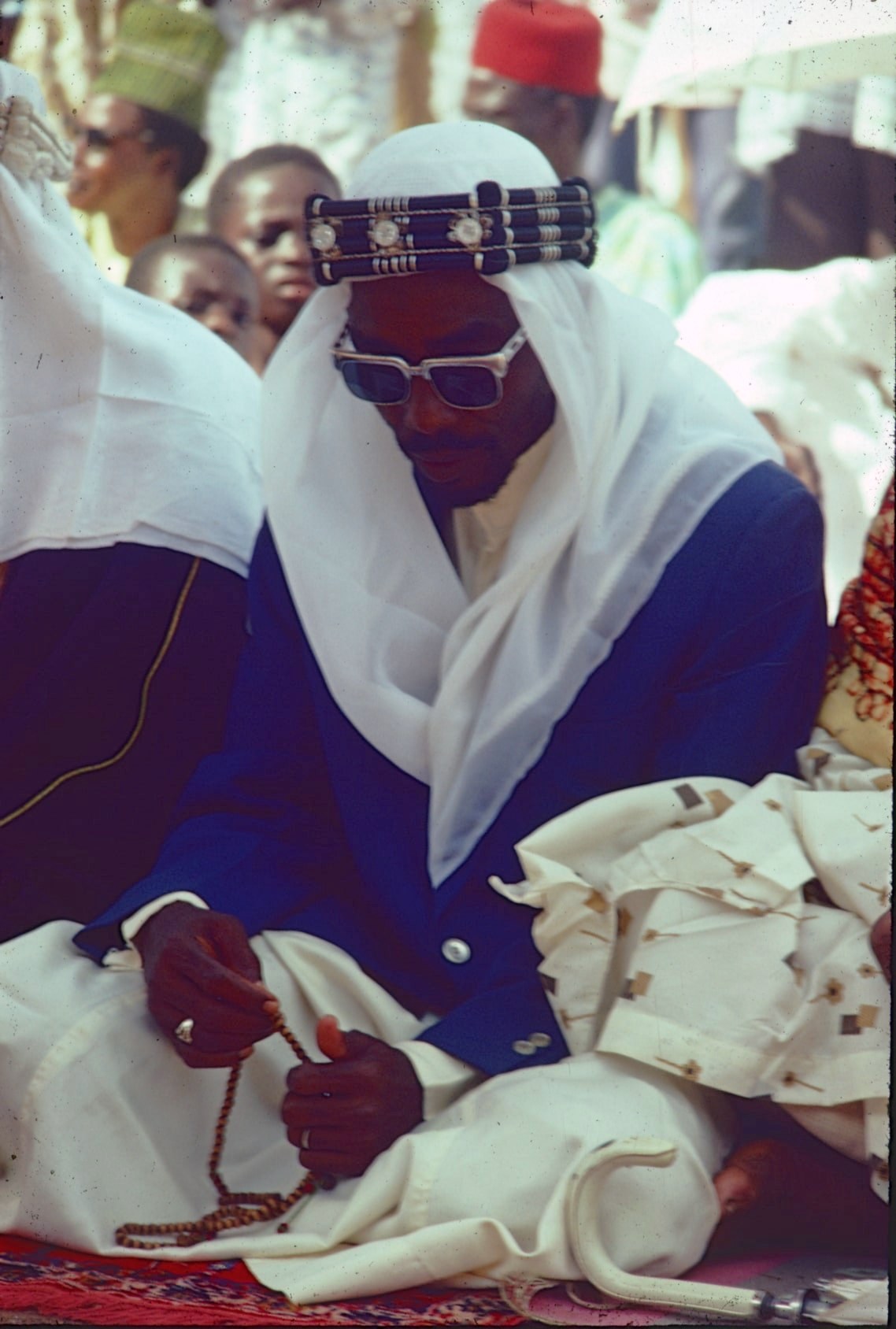
A Drummer's Testament includes Ibrahim's — Alhaji Ibrahim's — lengthy account of his pilgrimage in the section about religion in Dagbon. He describes the familiar ritual components of the Hajj: at the Kaaba, Safa and Marwah, Arafat, Mudzalifah and Mina, as well as a trip to Medina. Along with his sense of wonder at the scale of the pilgrimage and its stations that reflect the life of the Holy Prophet, he describes the worries, the vulnerability, and the suffering that pilgrims experience. Alhaji Ibrahim settles his observations of the difficulties pilgrims face within the spirituality of his own heart. Grouped together with uncertain arrangements, thoroughly dependent upon their hosts and guides, the Ghanaian pilgrims try to manage their limited means and achieve their hopes for a safe and fulfilling Hajj. These aspects of Alhaji Ibrahim's descriptions in particular seem to me a gift to help us contemplate the diversity of the Muslim world and the beauty of Muslim piety. The excerpt that follows is the conclusion of the narrative, in which Alhaji Ibrahim returns from the pilgrimage and reflects upon its impact.
When we came home, our mother's children, and our brothers, and our fathers, and our junior brothers, and our children, and our wives, everybody's heart was white. And we too, our hearts were white because we had arrived. Everybody will come to greet you, and when they greet you, you will ask, “Are you well?” And they will say they are well. At that time, your heart will be white, but it will not be too white, because some talk can happen and they will take it and hide from you. As you have just arrived, they will not tell you. And so you will just be sitting down and your heart will be white a little bit and not a lot. Going to the next day, and getting to the night, if they don't tell you anything, then you will know that nothing has happened, and your heart will be truly white.
And by then, many people will be coming to greet you. And you have bought some small things for people. Maybe you brought some hats, and anybody who comes to greet you, you will remove one and give it to him. If you brought some prayer beads, you can give that. You wanted to give to everybody, but you could not get money to buy such things. And someone else you wanted to give something to, maybe you forgot and you didn't get his thing. And those of us who go to Mecca, there is some water they call zamzam water. This zamzam water is from a well just near to the Kaaba. Anyone who goes to Mecca will fetch some of this water and bring it home. At Mecca, they put it in a tin, like milk. And so when those who have gone arrive home, they will open it and mix it with water. We pour it in a bucket and fetch some water and add to it, and we get a cup and put it on top. Anyone who comes to greet you, if you were not able to get him any gift, you will fetch the cup and let him drink this zamzam water or put it on his body, and it will cool down the heart. If that fellow is coming from his house, he doesn't say he is coming to greet you and get something; he will say, “I am coming to greet so-and-so and drink zamzam water.” And so anybody who drinks it can say that God should let him drink this water, and coming to the next year he should also get the chance of going to Mecca. And you will also say, “May God also send you there.” And this is why anyone who goes to Mecca will fetch some of this water home, because if you go to Mecca and come home, even your enemy will come and greet you. He is coming because of himself so that God will give him the chance and he will also go to Mecca. It's just like when you are going, you will greet all your friends and enemies that they should take all your faults and forgive you. When you come home, they will also come to greet you. As they come, some come with food, say, yams, or rice balls, and some even give guinea fowls. There will be somebody who was not able to good-bye you before you left; he will come and give you three cedis or four cedis or what his heart wants. That money is what you will be using to give to your wives to cook, afternoon and night. They will cook like that for one week, because some of the strangers who come to you will come from other towns. They will say, “I will go and see our senior brother who has come home,” or “Our junior brother has come home, and we should go and greet him ‘Our good luck.’” They will all come to greet you like that, because if a person goes to Mecca and comes home, it is a very big good luck. The enterings you entered, it was inside war that you entered. And you have come out of the war. It is good luck. And so this is how our going to Mecca is, and this is how we went.
And so I can tell you that the going to Mecca is hard. And the going to Mecca is heartbreak. And I can tell you again that the going to Mecca is good. As I have gone, it has strengthened my belief. I saw how people there hold the Muslim religion. And I saw the works of our Holy Prophet. As I have seen these things, it has added to my way of living. There are many people here who know much about the Muslim religion, but they haven't gone to Mecca to see. I haven't counted the time from when the Holy Prophet left this world up to the present time. But the maalams know it. If you go and look at the works the Holy Prophet did and put down, some of them look like just today. It is not anybody who has told me; it is my eye that has seen these wonders. They are there today and tomorrow. Anybody who goes there will look and see them. If I had not gone, would I have seen any of it? Truly, if a Muslim goes to Mecca, he will see something that will add to his religion. This one alone, if you go and look at it, it will add to your religion. And this Kaaba that we go around, they say that if you do any bad, even if you kill a person, when you go around the Kaaba seven times, you are just like a new child who was given birth today: he has no fault to God, and he has no fault to anybody. And if you go there and you say prayers too, it will add more to your belief. And this is how it is.
And so truly, the going to Mecca is not useless. They have shown us that prayers at Mecca do not remain useless. If you pray for somebody at Mecca and wish him good luck, whatever happens, God will take that good luck and pay it to him. As I prayed for you, your mother, your father, and your friends, maybe none of you are people who pray, and none of you will ever go there, but what I prayed there will make some good for you at home. If you pray for somebody who prays or who does not pray, as you have called his name there, he will get something. That is why when you are going, people come to you. Someone will say, “Get twenty pesewas: when you go, pray for me.” That is why someone will give money before you go, and it will show that you have prayed for him at Mecca.
And it shows again that going to Mecca is not your own pocket. If you are someone who brings up a family, inside that, your family can send you to Mecca. Or inside your friendship way, your friend can send you to Mecca. If you are a Muslim, there is no gift that is more than someone telling you that he is sending you to Mecca. There's no gift that is more than that. As we are farming in Dagbon here, somebody will be praying for a tractor. But if I am sitting down as a Muslim, and you want to send me to Mecca, will I say I rather need a tractor? For what? What is a tractor? What about a ship? A full ship loaded with goods, I think going to Mecca is better than the ship and the goods. There is nothing that you will give to a Muslim and he will be happy more than sending him to Mecca. I believe that the one you love is the one you spend your money on. But I will tell you again that here, people send others to Mecca without asking anything from them, just as if they were performing a sacrifice. They have never done anything for one another, but someone will just say that he has money and he is afraid of God, and he will take someone to Mecca free. Last year there was an Alhaji who was in Accra, and he telephoned here asking for five people to come and meet him in Accra and accompany him to Mecca and come back, that he would pay their fare and everything free. And these people never thought that this man would do that for them. So many things are happening in this way, and if something like that happens, there is nothing one can give as a gift to pay it back. The only thing you can do is pray for that person. In Dagbon here, during the Chimsi Festival, if you buy an animal for your friend to slaughter, you will get a gift from God. And so it is the same thing as someone who sends his friend to Mecca. If you are able to send your friend to Mecca, and he goes to say all the prayers at Mecca and ask for anything, when it comes time for God to give him what he asked for, God will divide it into two and give half to the one who went and half to the one who sent his friend. Even if you are a pagan and you are not a Muslim and you don't say any prayers, it is the same thing. This is what God said in the Holy Qur'an. And this is what happens in the Chimsi month on the part of performing sacrifices and begging for God's blessing.
And so if someone sends you to Mecca like that, it is good you say it. If you don't say it, God knows the lie you have talked. It was just the other day I was sitting outside my house and we talked of your matter. It was a woman who abused her friend. She came from Mecca and gave a gift to her friend, and her friend was annoyed and didn't collect it. And at that time the one who gave the gift said, “Can you get money to go to Mecca?” By then I was standing with a woman, and she said that the woman who abused her friend like that hadn't done well. And she said to me, “As you are sitting down, is it not John who sent you to Mecca?” And I said, “Yes. Is it not because of friendship? Was it my money I removed and went?” And she said, “Is that not it?” And I said, “As the woman abused her like that, she didn't do well.” And so, on the part of your sending me to Mecca, anyone who hears it, it makes him sweet. My friends, my brothers, my fathers, the townspeople, when they hear it, it makes them sweet. And it shows that you have also gone.
In every way, you have gone to Mecca. When we were going, they said we should put our pictures on our boxes. When I started looking into my things, I came to see a picture that I had snapped with you, and I took it and put it on my box, and that box was with me in Jidda and Mecca and Medina and when I came home. It is still there. And so anywhere I took the box, you were there. One day we were at the Kaaba and we were sitting, and a man asked us the country we came from, and we said we are from Ghana. And he said he didn't know Ghana. And we said Nkrumah was our Prime Minister. And he nodded his head. And I turned and asked him if he was from America. He said, no, he was from Morocco. And he asked me why I asked him that. And I said, “My friend is in America. He brought me here.” And I told him how I was living with you until you brought me here. And he said, “It is true.” And he said that you had done your promise and we should hold one another well, and it made him sweet. That was the talk I had with him. And how Mecca is, whenever you are sitting inside the Mosque, somebody will come near you and ask you, “Which town do you come from?” You will tell him, and he will ask you your name. When you show him your name, he will also show you his name. This is how they are. Some of them, too, when they see that you are black, when they are sitting near you, they can take a finger and rub your hand, and will look at the finger to see whether it is black or not black. This was what some of them were doing. When you go to the Mosque there and you are sitting down, you will like one another. This is how it is at Mecca. Quarrels don't go forward. Truly, they also quarrel there and beat one another, and nobody will separate them; but when they quarrel, they shake one another's hand and then they turn. How it is there, you will be seeing many people, and you will be talking to many people. And anyone I talked to about your sending me there, whether it was my mother's child or not, it was sweet to him. And so I think that it is not only here: anybody who hears of this, he will like it. And so Mecca, it brings good talks. Anywhere you go and are beating drums, people will say, “Ah. That drummer, has he come again? He is Alhaji Ibrahim's friend, and he helped him to go to Mecca.” As they have said this, has it not added to us? Even when we were going to enter the plane, when people were asking me, “Has your name appeared?” I said, “Yes. My name appeared. It is because of John. He made it and it is through him I am going.” And they said, “Yes, it's true. It is good a person looks for a good friend.” And as they are talking like that, it adds to you and me, and it adds to all of us.
And if they are praising you, it is not praising that I am talking. Dagbamba have a proverb; they say, “Prayers know where to go.” Why do they say that? When we pray, we are not begging a human being: we call God's name. God is not far from us; God is throughout the world. As God is near us, if you say some prayers for somebody, wherever he is, the prayers will reach him. Because of the good you have done to me, if I pray and mention your name, God will also give you some good. This is why I say that prayers can go to any place. No one will go to Mecca and pray, and the prayers will be nothing. People who have been there are always saying that. And because of the good that you have done, all my family and my friends here are praying for you, those who know you and those who don't know you, when they sit down, they think about you. And when they pray, they pray to God that may God give you what you want. And so I want to tell you: never underrate anyone who loves you. As for love, there is no small love. And if someone loves you too, don't think that he loves you just a little. The one who loves you, if he thinks of you, he will always have good thoughts. Whether he has seen you or he hasn't seen you, his heart is white to you. This is what our old people have been saying and we hear.
And so may God let us love ourselves, and He will give us long life and good health. Let me tell you. How our living together is now, there is no day that your family will forget of us or we will forget of you. Even if it happens that all of us sitting here now are dead, whatever happens, one day our grandchildren will talk about us. It's not even our children: it's our grandchildren who will get up one day and talk of all what you did for me. And your own grandchildren also will think of what I have also done for you. If a time comes when I am no more alive, the years can come and pass and be going. Forget about my children who saw me when I was going to Mecca. I'm talking about my grandchildren and great-grandchildren, those who have not seen me before I died. One day they will say, “We heard that our grandfather Ibrahim was an Alhaji, and it was a white man who sent our grandfather to Mecca. The white man was an American who came to work with our grandfather. But unfortunately, we never met our grandfather.” And as you are now drumming, you have just left an old talk in your family, and some people will also come from your back to learn how to beat drums, whether they know me or they don't know me. When you last came from the States, you brought some broken drumskins, that I should use them to measure new drumheads as spare parts, and you showed them to me and said you have some people who follow you to play those drums you took home with you, and they have broken all. And so as you have come alone to learn drumming, now there are people following you to beat the drum. On your family's side, after your death, if your children also learn how to drum, one day they will sit down and tell their friends, “It was one Alhaji Ibrahim Abdulai who taught our father how to play these drums. This is why now we have become drummers.” What will bring all this? It is love. Love always extends. As I prayed for you at Mecca, every day I am praying for you. And the prayers we are praying are still going on.
And so we pray to God so that we should love ourselves, and He should give us long life, and we will be doing the work He says we should do. I have been hearing from maalams, that they say we should love ourselves before God will love us. The maalams have been telling us that. And we believe it too, and we have been seeing it. Have you seen? How people are praising you for what you have done, it shows that patience gets everything. And annoyance also makes you not get something. You have patience and I have patience, and this is why we have gathered and we are sitting here. We are not following “They have said.” And so patience is more than anything. And if you will agree, I will call you a name. And the name is “Patience gets everything.” It is a good name, and it is a bad name. Why have I said that? The children of patience, their names are not good. Patience's child is a blind man. Patience's child is someone who fears. Patience's child is a deaf person. Are their names good? If you are going to take patience, and you say that your eyes will see, you cannot hold patience. If you want to take patience and say that you don't fear, you cannot hold patience. If you want to hold patience and say you will hear everything, you will hear good and you will hear bad, and you cannot hold patience. Patience is: you hear something and say you haven't heard it, and you see something and say you haven't seen it, and something is coming and you fear it and you stop. The holding of patience is hard, but truly, we know that it is patience that gets.
And so truly, when you go to Mecca, thoughts will catch you. When you go and see all the things that are there, inside your heart, you will feel a bit sad. There were many people there, even some of the white people, they were seeing these things and they just started weeping. And when I saw it, it made me feel pity. And again, going to Mecca made my heart white. I was not somebody who could have seen it, apart from you. As I have gone to see it, it has made me happy and has added more to the way we are going to live together. As I am sitting, my going has added to me, and it has added to my living. The going to Mecca is white heart, and the going to Mecca is also pity. I went there and I looked and I saw the work of our Holy Prophet, and I heard the way they talked about his work. He was very strong, and it has come to stand like that. And I took it to look at myself. And I saw that every person, and anything that breathes, will die. If it were not that, the Prophet used to talk to God. And he was God's friend again. He didn't do any bad to God, and we hear that our Prophet didn't do bad to any friend of his. He didn't do wrong to anybody. Even they say that when he used to eat with his friends when he was small, if he cut a morsel of food and his friend took it, he never asked his friend anything. And he never took anybody's food either. And God loved him, too. Inside our Holy Qur'an, God says that if we want to see paradise, we should follow the Holy Prophet. And God gave him power. All the people who were worrying him, the pagans, he was able to defeat all of them. And you will go to Mecca and look at the mountains, and you will know that God has done His work. But the Prophet used to go and the mountains would get up and follow him. It's a big talk. And here is it: with all this, when the Prophet was dying, he knew he was going to die. God didn't leave him in the world. God didn't leave his death; He took him away. And all the works the Holy Prophet did, they are all there. If you come to look at it, what will you do? If you are a person who thinks, you will think that as he was strong and he came to die, maybe you too, as you are strong, maybe your strength is a weak strength. Look at how God liked him. And he didn't do any wrong; he didn't make anybody's heart get up; he had power, and God gave him power; he knew how to pray to God, and when he prayed he would say that God should give him the chance so that all the people who will hear God's word will hear. But all of it, it was useless. And here is it: that person is not there again, and as he is not there, we all know that everybody will die. And you too, you will have yourself and you are showing yourself with your bluffing: you are showing yourself useless. You will go and see the grave of the Prophet. As the Prophet is not there, you see how his grave is lying. How will you look at yourself? You are going to look at yourself useless. You will look at yourself, and pity will catch you. Truly, when you go there and come, thoughts will catch you. If you are a person who has gone there, this is how it is. And when you see such things, when you come home and anybody does any wrong to you, you will receive the wrong and you will not give it back.
And so Mecca is good. As you are going, the thoughts that will catch you there are quite different from the thoughts here. Anything you see there, that is what you are going to hold. We haven't got the means, but if we had the means, Mecca is good for everyday. There are some people in this town who have gone there more than ten times. There is a woman and it was only this year she didn't go. She booked, and they said that as she has gone, she shouldn't go again. She cried, “Ah-h-h-h!” until she stopped. There are many old people, old men and old women, they go there and remain. They are sick, or they can't walk, and others are carrying them. They go to Mecca and remain there. They are not afraid of that. It is because of the talks you will go there and see. The Prophet did many works, and it is not all that you can see at once. And you are praying to God every day, and you know that if you pray at Mecca it will be good for you. And all the people you are praying for, it will be good for them too. As I have gone once, and if I think of all the suffering I suffered, I also don't mind to go there every day. It will add to my way of living.
As I have gone and come back, if my life has changed, it is not I who will say that it has changed. Sometimes, in my walking or in the way that I am living, sometimes when I am sitting with my friends and I want to say something, they will say that I shouldn't talk like that, that I have become an old man and a big man and a heavy man. Three days ago, some people were going to quarrel and we separated them and they refused, and I said that we should leave them and they will beat one another. And some of my friends said, “Why have you said that? Your mouth — the mouth that you have taken to tell them to stop and they have refused — if they beat one another, they will see what they will see because of the mouth that you have taken to talk. You are a heavy person. And so it is not good for you to say that they should beat one another.” And they told me that I have changed my way of living, and that I shouldn't hold what I used to hold and sit down. Truly, I had respect before I went to Mecca. But I have also seen, when I came home, some people who were not respecting me now give me respect. When I go to someplace, because of the Hajj, they give me respect. Sometimes I will go to the wedding houses where we beat drums, and when they bring food, they will ask, “Alhaji, can you eat here?” And I say, “It doesn't matter.” But the first time, they never asked me that. And so it has added to me. As I have gone, my name has changed. I was Ibrahim, and now I have worn the gown of the Hajj, and I have added a new name, Alhaji. And it looks as if that new name has driven away my former name. To anyone who prays “Allahu Akubaru,” it is a respectable name. That is the work of God. And so as I have gone, it has added to me. Even if a dog goes to Hajj and comes home, its name will change. Its name will still be called dog, but it will become heavy. And so the pilgrimage is not a joking thing. That is how Mecca is, and this is what I know about it
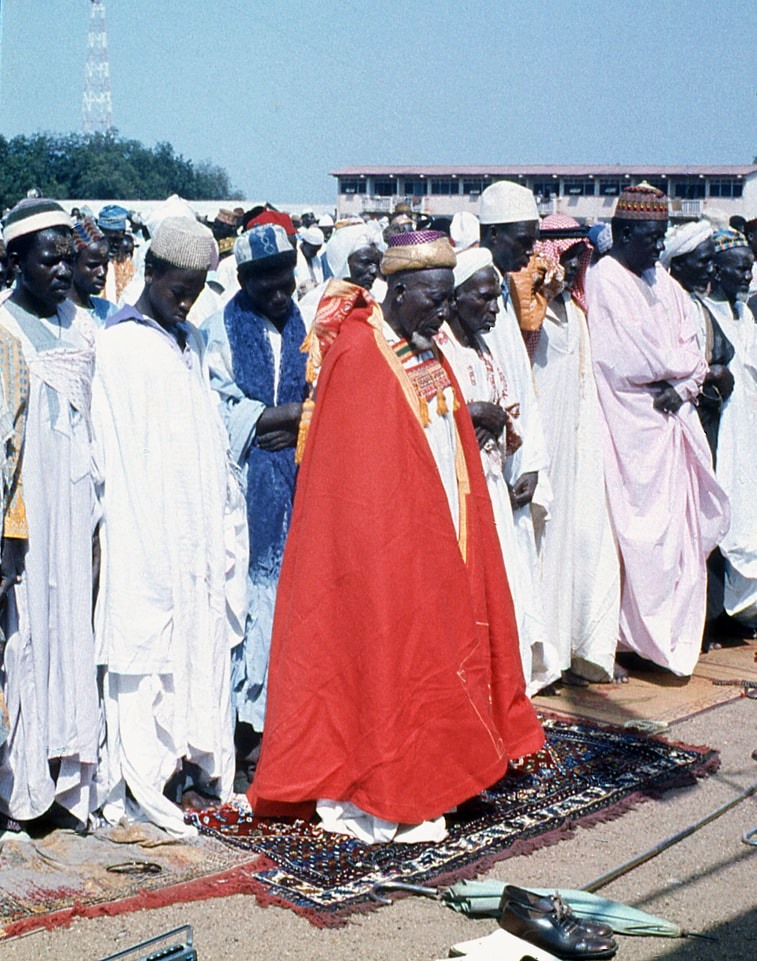
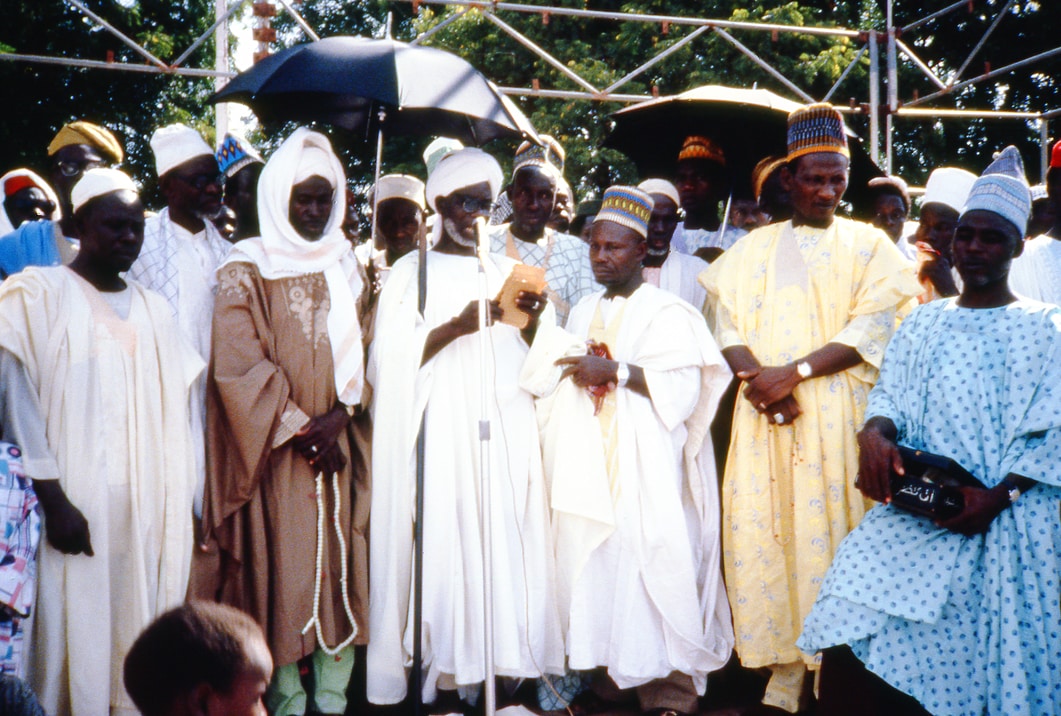
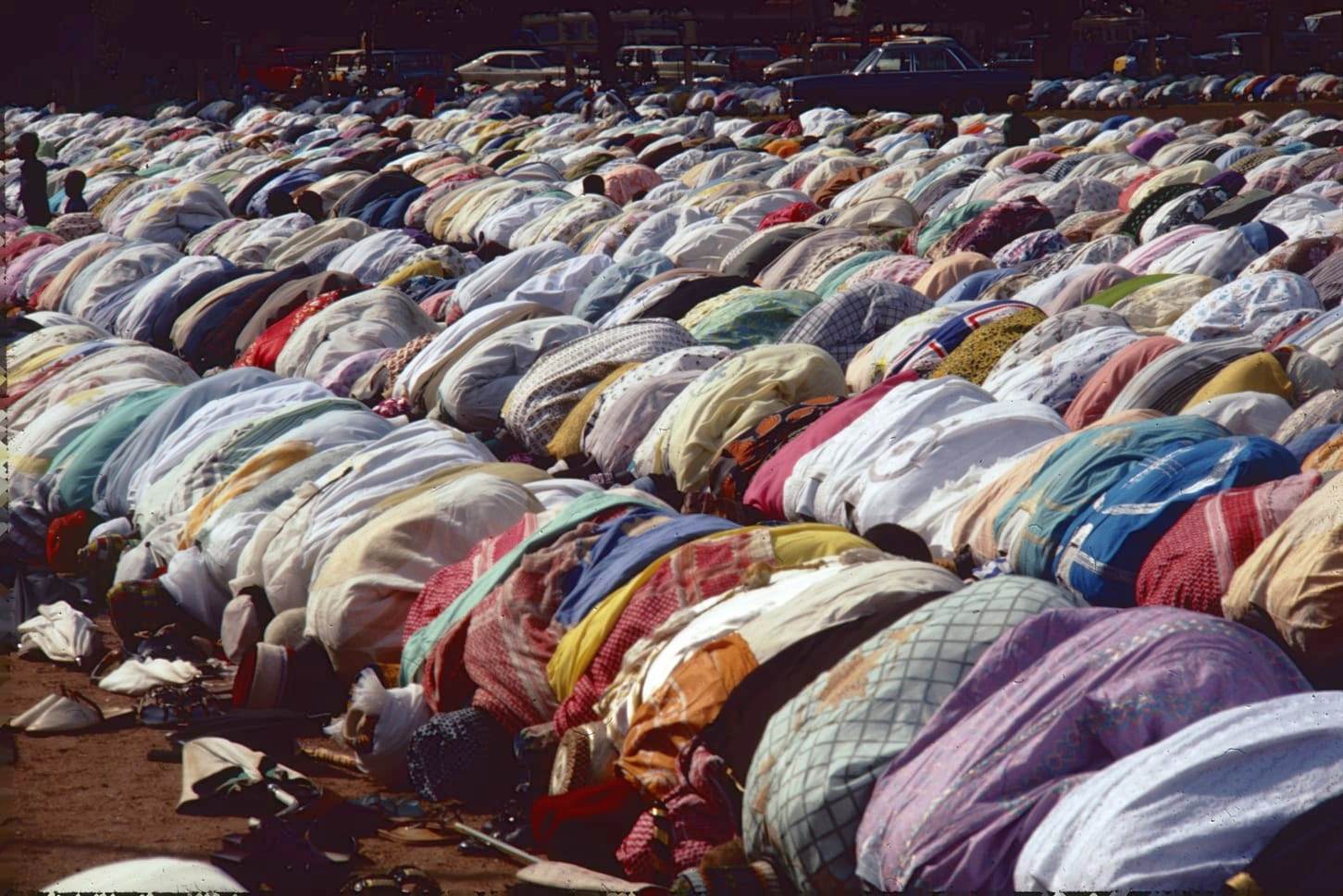
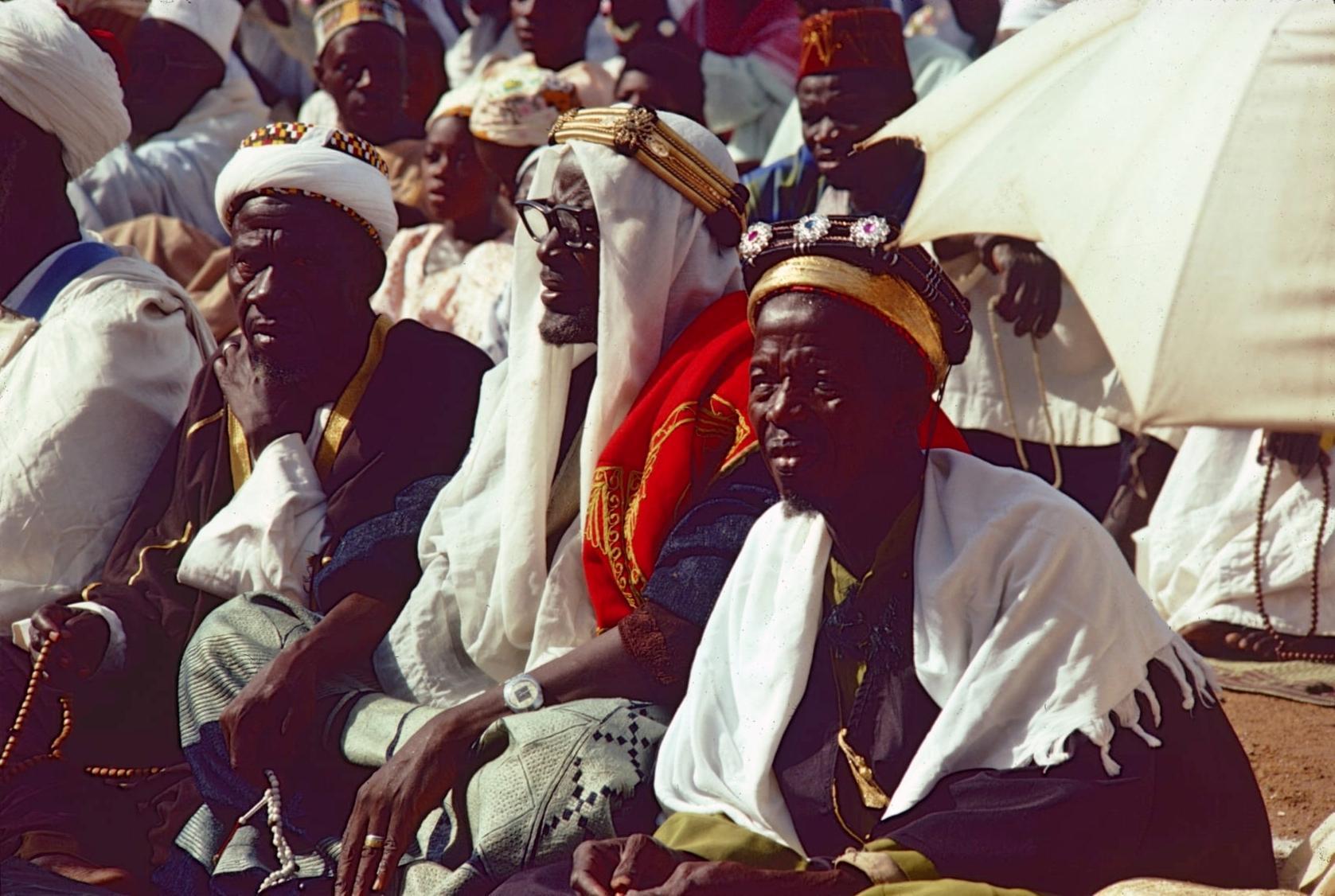
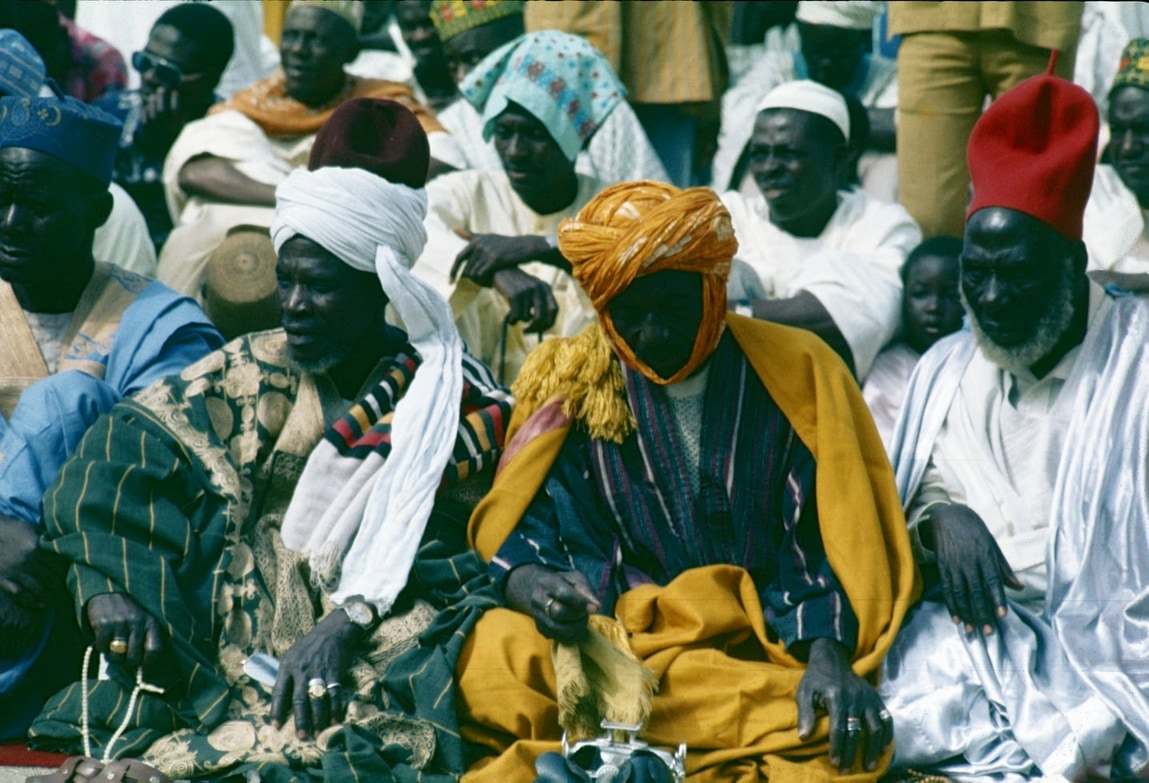
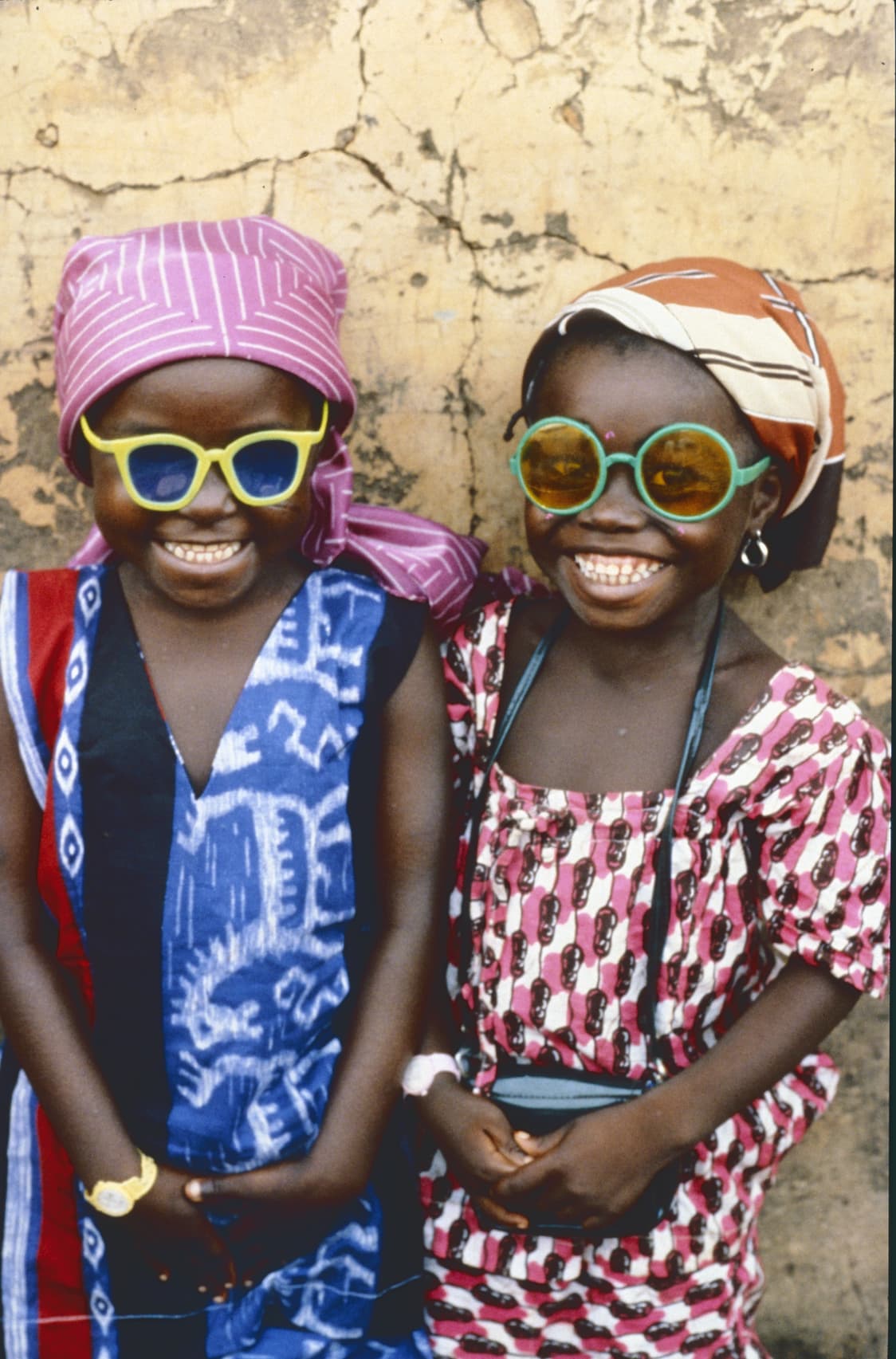
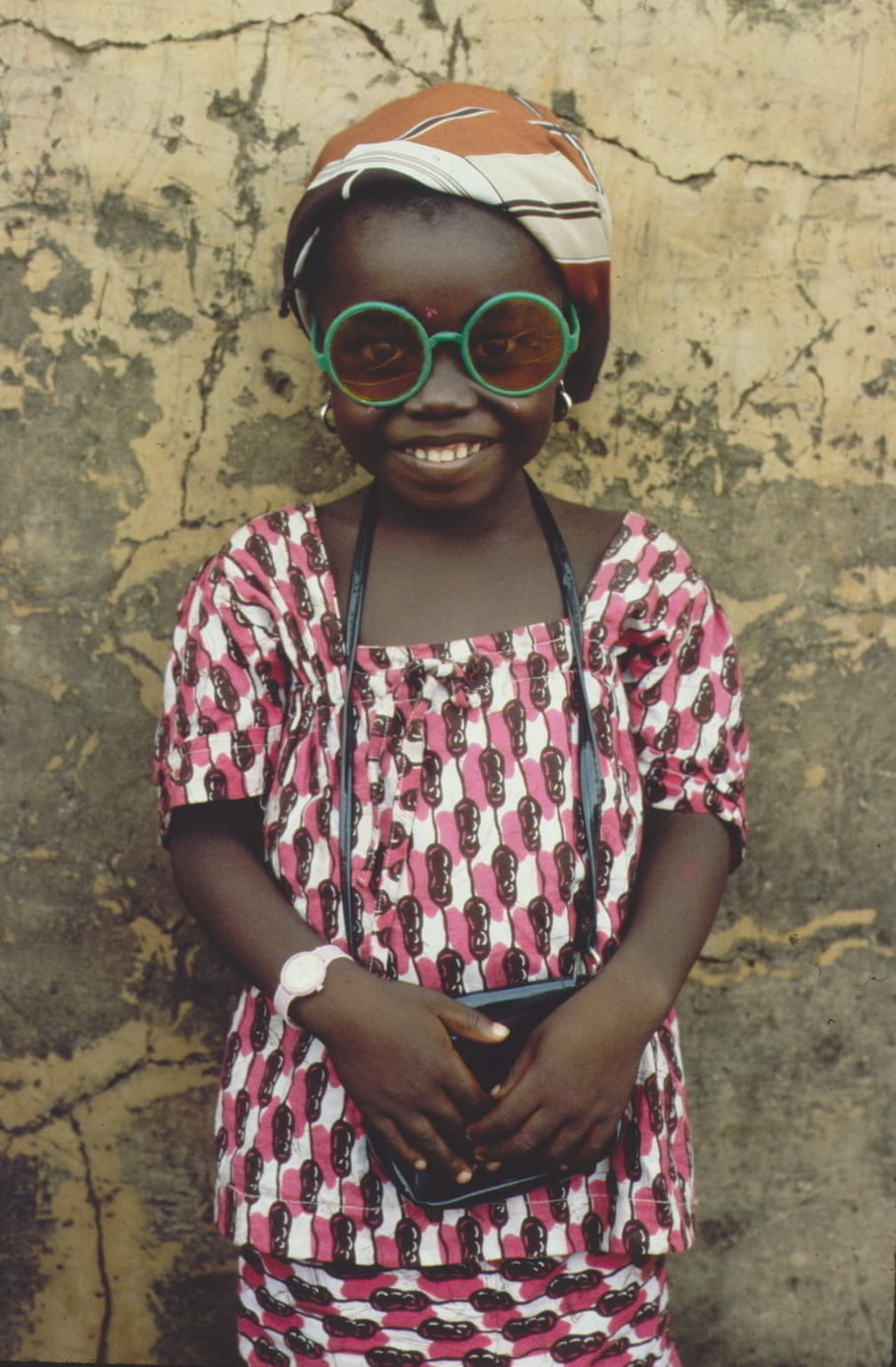
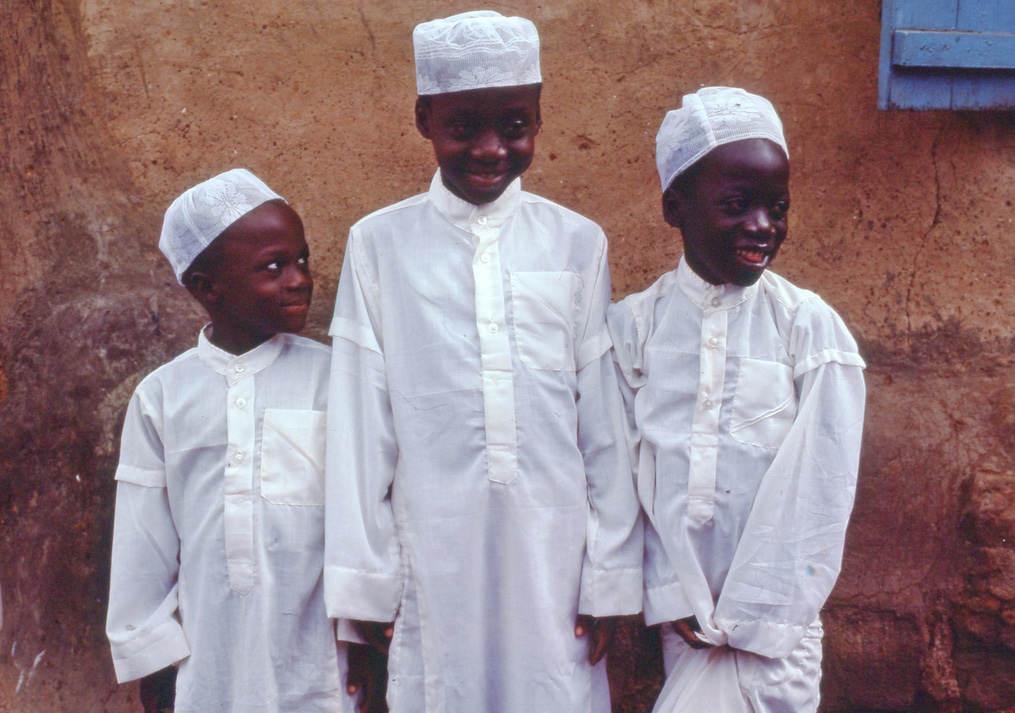
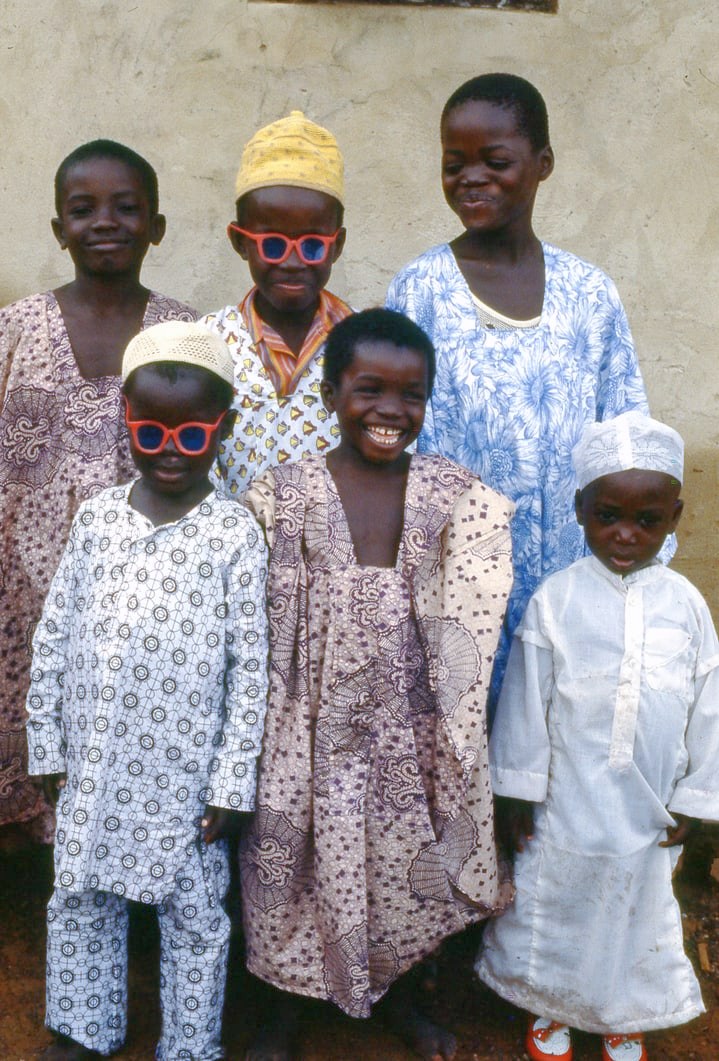
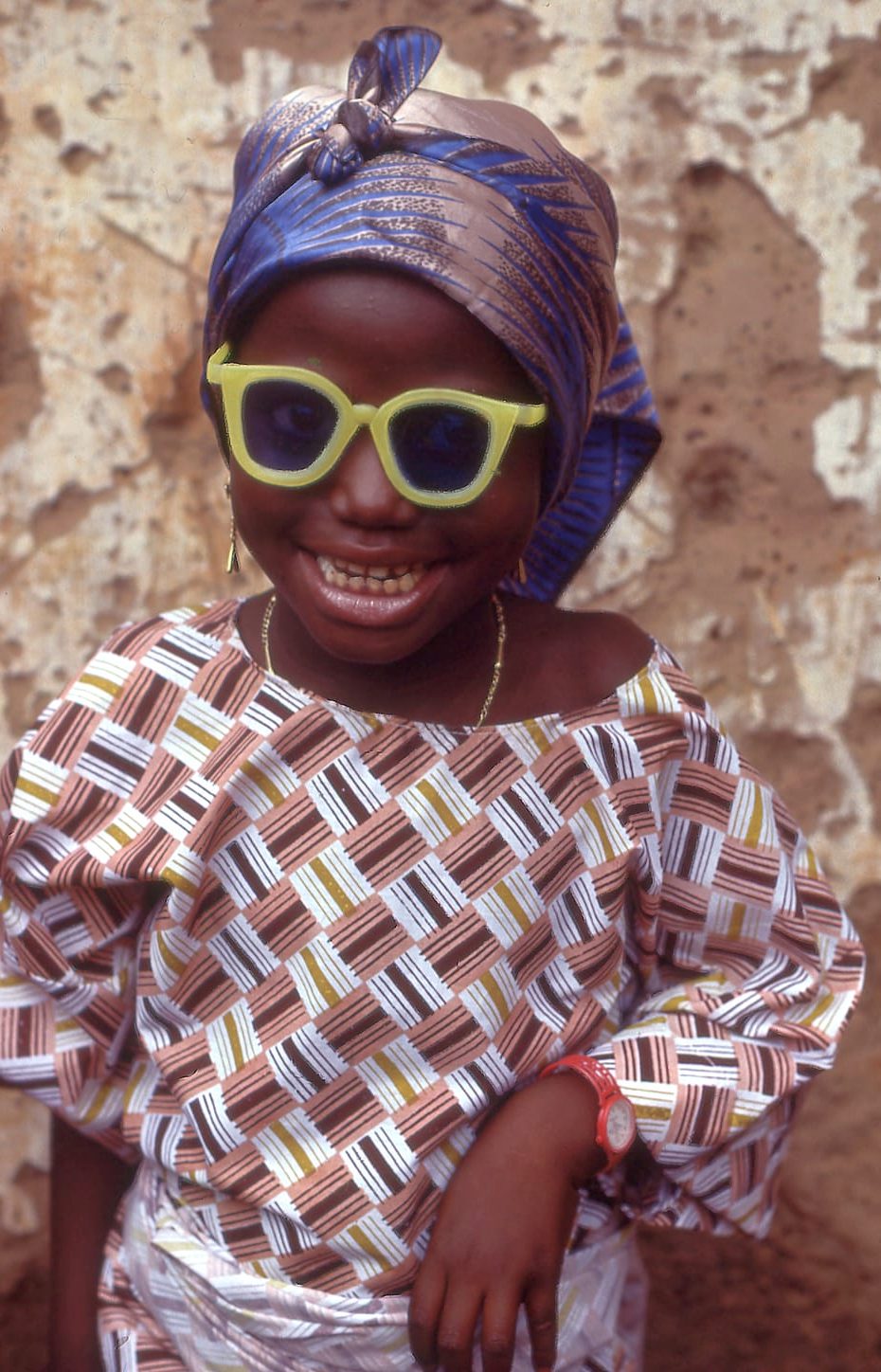
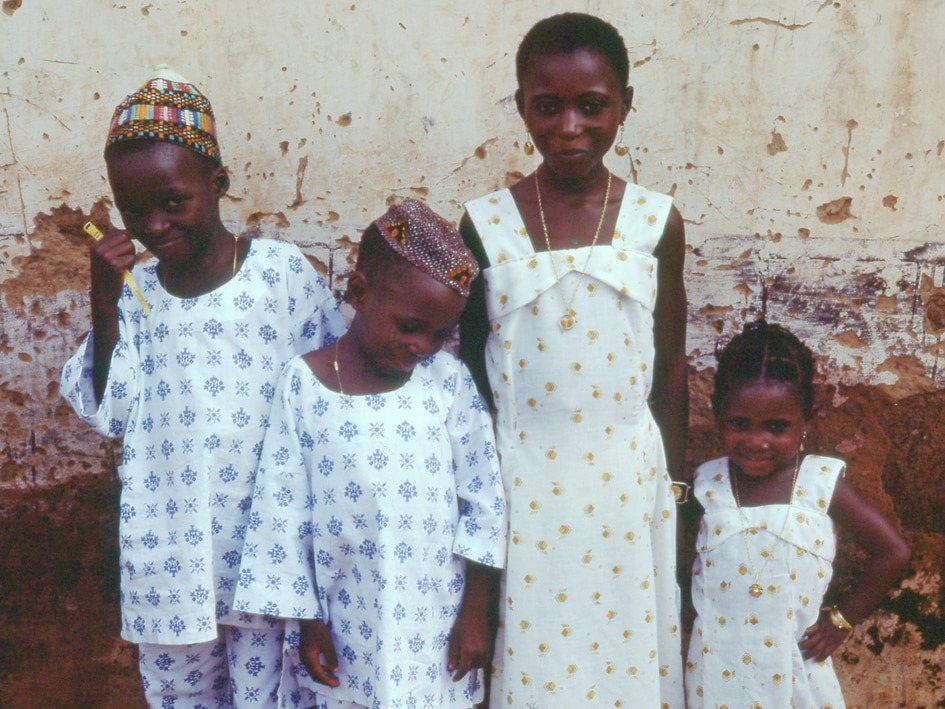
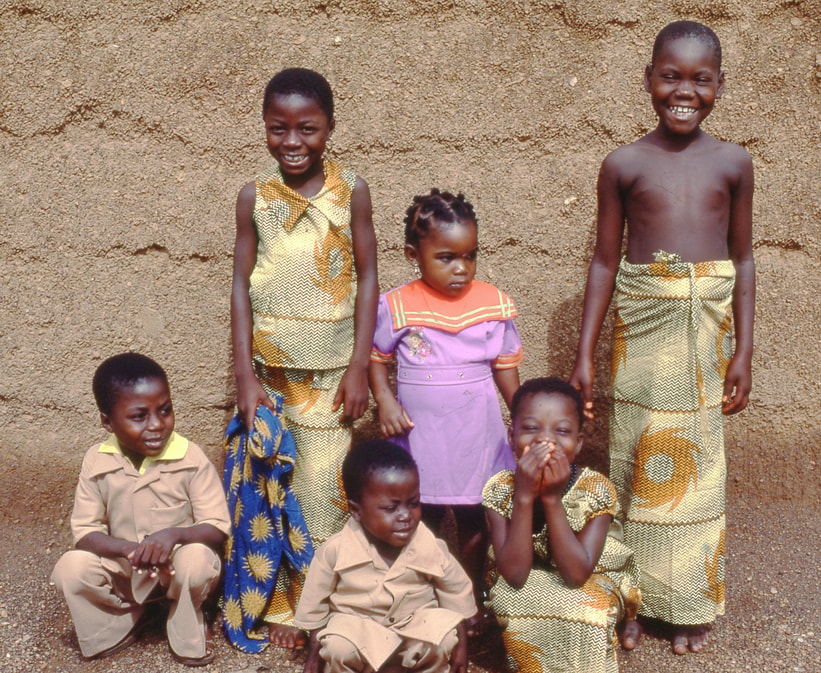
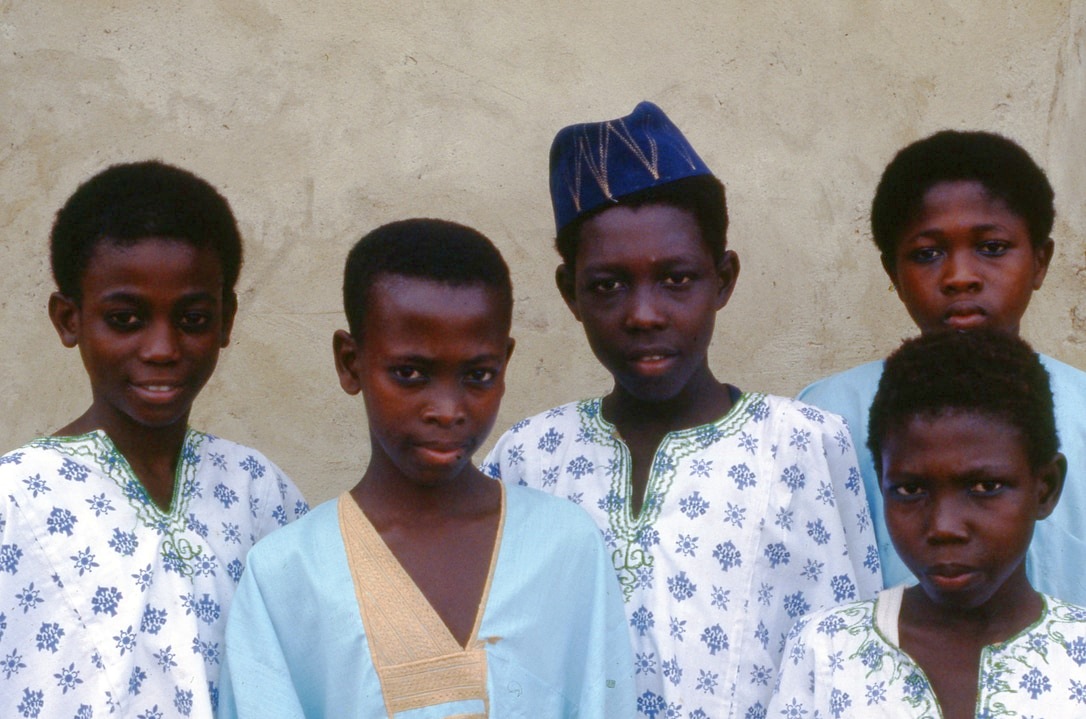
In Dagbon, the Chimsi Festival is mainly about the sacrifice and prayers. On the ninth day of the month, from late evening until dawn, drummers beat the Samban' luŋa (the drum history) in towns with major chieftaincies. The tenth day, around eight or nine in the morning, there is a general gathering at a central location for prayers. After the general prayers, people return to their houses and slaughter animals and share the meat to friends, family, and neighbors. Drummers also go around to houses and beat praises and dances, then return home around noon. Around four o'clock, after the late-afternoon prayers, drummers go out again. People dress in fine clothes and go around and greet one another. Children too are dressed up, and they go around to houses and greet people, “Thanks to the prayers.” If the children greet you like that, you are supposed to get some small change or any amount of money to give them, as a blessing or a prayer to God. People are happy to do that, and the Chimsi Festival is a happy time for everyone and especially for the children.
Links to Excerpt and Images from First of the Month (February 2026)